

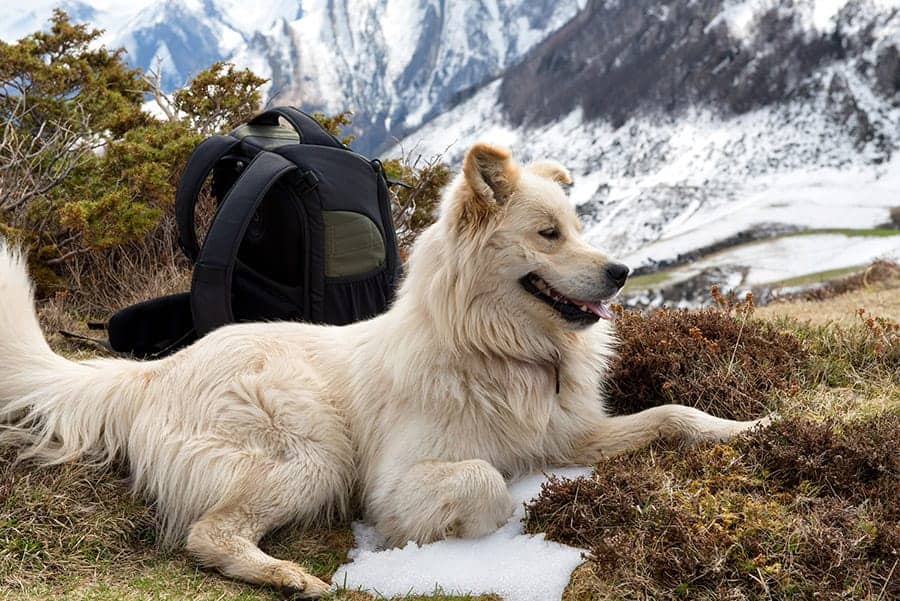


Great Pyrenees Information
They are patient and smart, making them an excellent choice for those with children and other pets. The breed is not particularly active but does need daily exercise to stay healthy.
History
Historians note that the Great Pyrenees appeared in Europe between 1800 and 1000 B.C., likely originating in Siberia or Central Asia. Later the Pyrenees was adopted by the French Court in the 1700s A.D.
It was bred for centuries to guard livestock and protect homes, the Great Pyrenees is a loyal and courageous breed.
It is believed that the breed originated in the region of the Pyrenees Mountains, which straddle the border between France and Spain. The breed was developed to guard flocks of sheep against wolves and other predators and was prized for its strength, courage, and loyalty.
Despite their fierce reputation as guardians and protectors, Great Pyrenees are known for their gentle and affectionate personalities. They are highly social animals and love to be around people, which makes them an excellent choice for families with children.
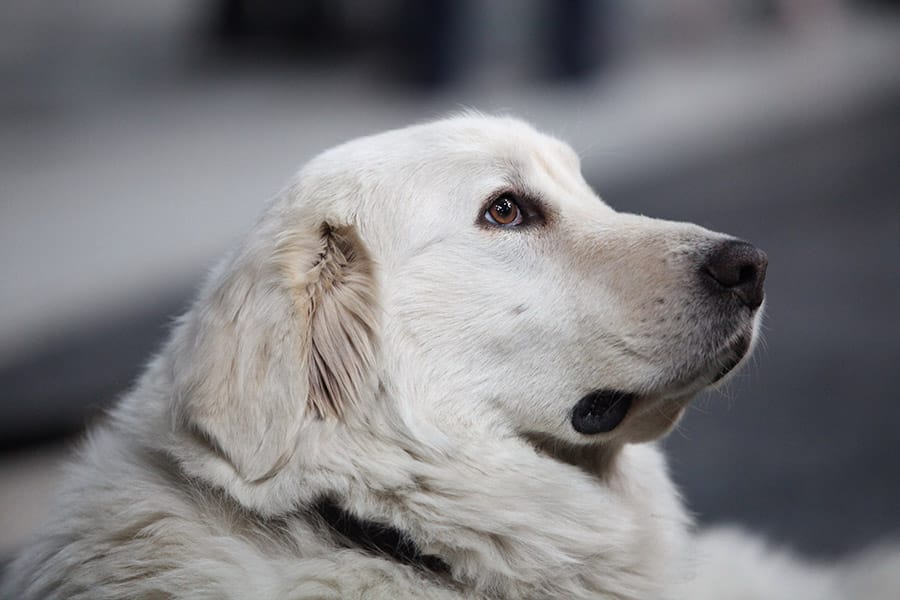
Training and Temperament
When it comes to training, the Great Pyrenees is a quick learner and highly intelligent. They are known for their ability to pick up new commands and skills quickly, and they are eager to please their owners. However, it is important to be consistent and firm when training a Great Pyrenees, as they can be stubborn and independent at times.
When adopting a puppy, it's important to socialize them with other dogs and people. Great Pyrenees are known for their high energy levels and need plenty of exercise and mental stimulation to prevent them from becoming bored and destructive. Taking your Great Pyrenees for regular walks and providing them with plenty of toys and activities can help prevent behavioral problems and keep them happy and healthy.
Grooming
In terms of grooming, the Great Pyrenees's long and thick coat requires regular grooming to keep it healthy and looking its best. They should be brushed at least once a week to prevent tangles and mats, and they should be bathed every month or so to keep their skin and coat healthy. Because of their long ears and thick coats, Great Pyrenees are also prone to ear infections and skin problems, so it is important to check and clean their ears regularly and to keep an eye out for any signs of irritation or infection.
The Great Pyrenees is a beautiful and intelligent breed well-suited to families and individuals looking for a loyal and protective companion.