

Puli Information
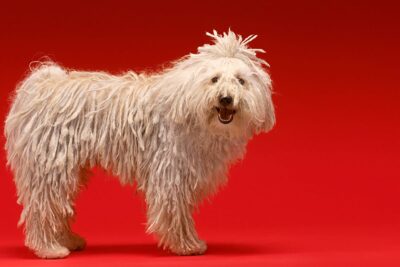
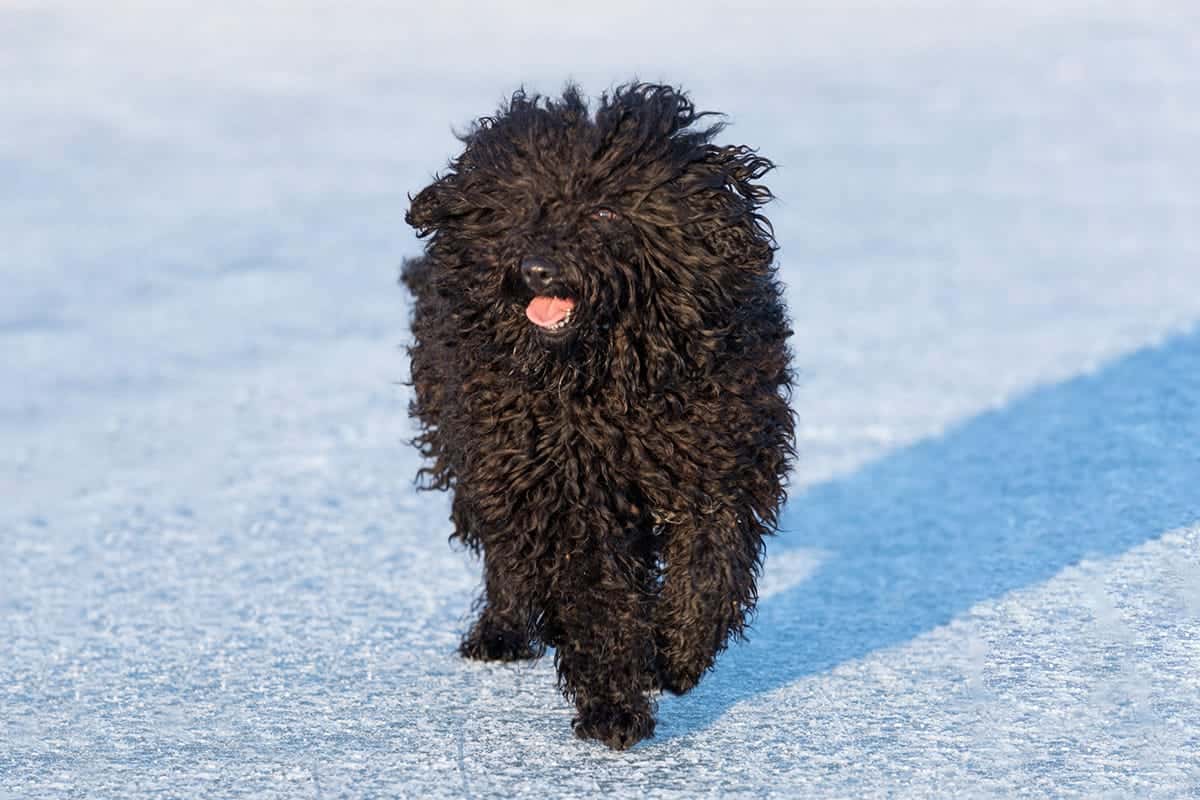
Their tight wooly cords have been compared to dreadlocks and can be black, white or gray in color. Back in his homeland of Hungary, he is a national treasure, having been part of the culture for more than 1,000 years.
The Pulis are more than great hair, however. They are sweet and affectionate and love being part of family. In fact, this breed is quite the homebody, preferring to stay in the house where they serve as excellent watchdogs.
Puli History
The Puli, a mysterious and ancient canine breed from Hungary, is a small and agile herding dog. Their long, dense fur coats, often likened to dreadlocks, have been their most recognizable trait since they first became popular in the 1800s.
The Puli’s reflective, intelligent eyes have been described as “wise”, giving the breed a unique and thoughtful look. It is believed that their ancestors were brought to Hungary by Magyar tribes as far back as the 9th century. They quickly became popular among local shepherds, admired for their agility and watchfulness.
In modern times, the Puli is still a sought-after companion both in its native Hungary and abroad. The breed is often used for agility competitions and is an excellent option for active families looking for an intelligent, loyal, and outgoing canine companion.
Training and Temperament
The Puli boasts an amenable temperament and a zealous desire to learn and please their owners. While they can benefit from regular and consistent training, they are generally peaceful and compliant and don’t require overly intensive training methods.
The Puli’s cheerful and social personality makes them a great addition to any family. They tend to thrive in a loving and consistent atmosphere, and with the proper guidance and encouragement, they will quickly become a loyal and devoted companion. However, they can be wary of strangers, making them an excellent choice for a guard or watchdog.
Exercise
The Puli is an active breed of canine that requires plenty of exercise and mental stimulation. From agility competitions to long walks and playtime in the park, the Puli can benefit from a variety of activities to keep them engaged and active.
For those with the right environment, an agility course is a great way to mentally and physically engage the Puli. With practice, they can learn to navigate obstacles, weave poles, and navigate tunnels easily. Competing in agility trials can provide them with an outlet for their energy and a sense of accomplishment.
Pulis also love to explore, and a romp around the neighborhood will surely be a treat for them. Taking them for a walk lets them explore the sights, smells, and sounds of the world, and it is a great way to expend some of their excess energy. For those who prefer to stay indoors, playtime with puzzle toys and games is a great way to keep their minds and bodies exercised.